Exports, investments, and new risks: what as discussed at the Berne Union meeting in Astana
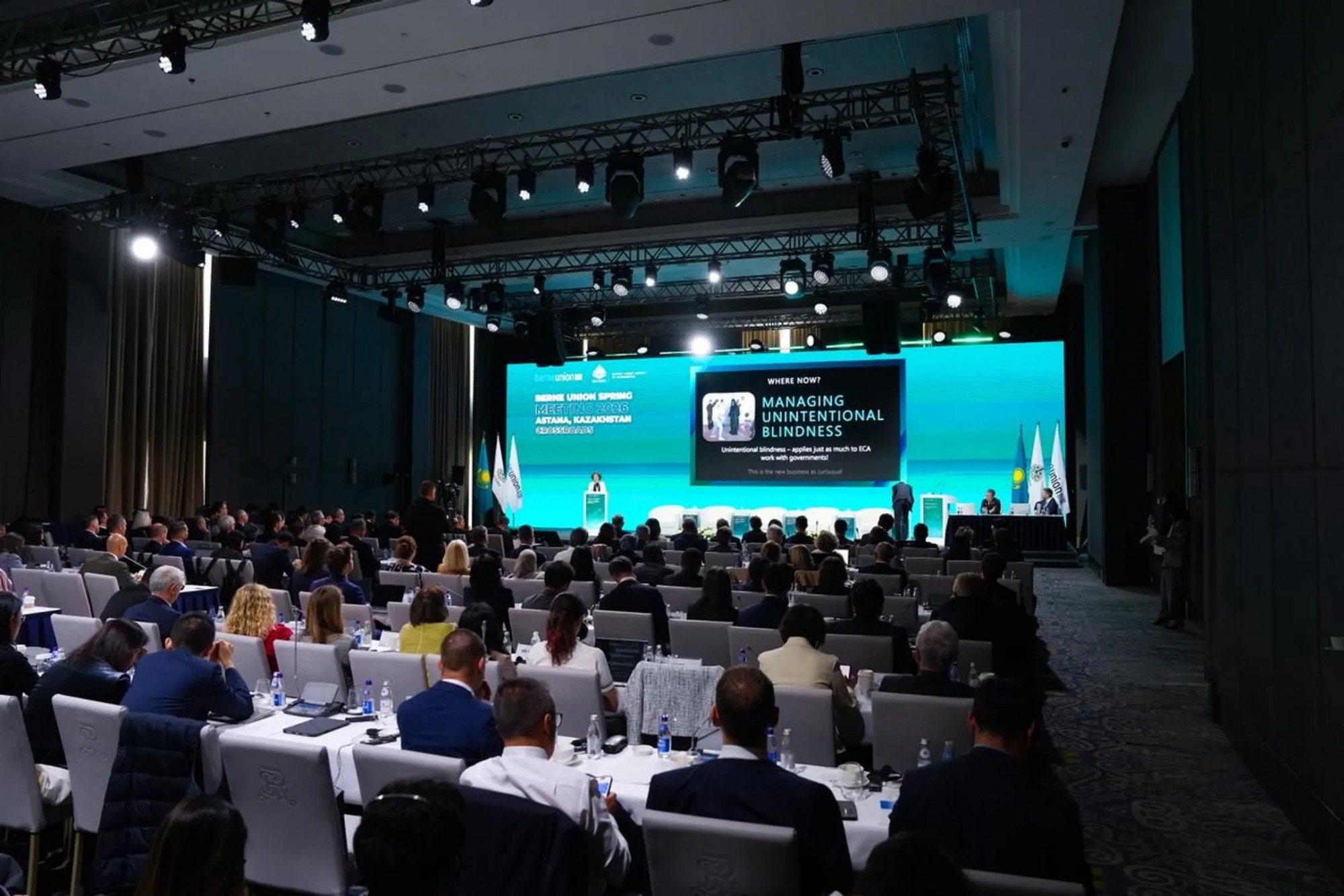
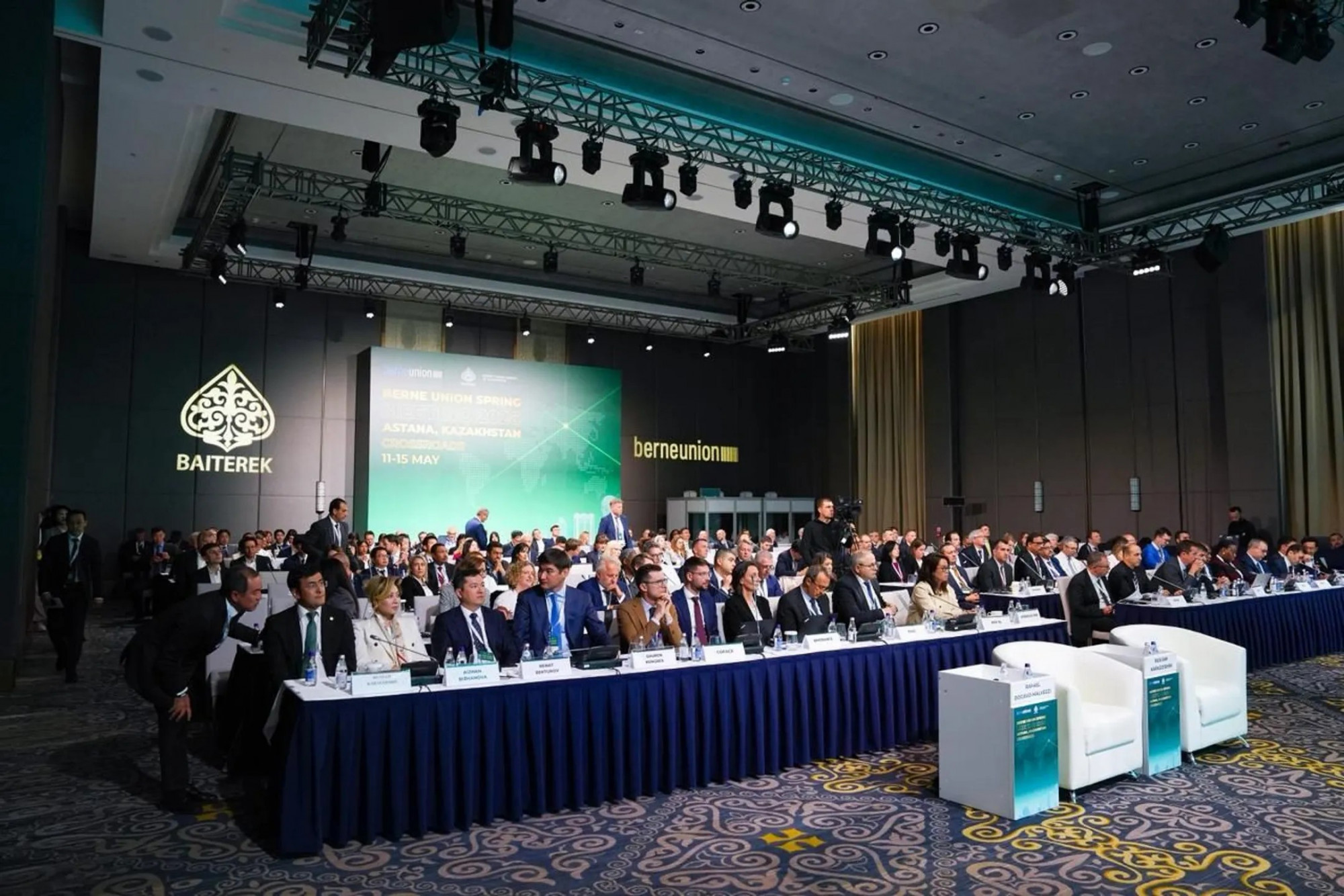
The spring meeting of the Berne Union — the world’s largest international association of export credit and investment insurers — has opened in Astana. For Kazakhstan, hosting such a forum is not only a matter of international prestige, but also part of a long-term strategy to strengthen its status as a regional financial and investment hub.
Against the backdrop of global turbulence, changing logistics chains, and growing business demand for risk insurance instruments, such platforms are becoming key venues for building new economic alliances. Representatives of state export credit agencies, private insurance companies, international banks, and financial institutions shaping the global export finance market gathered in Astana.
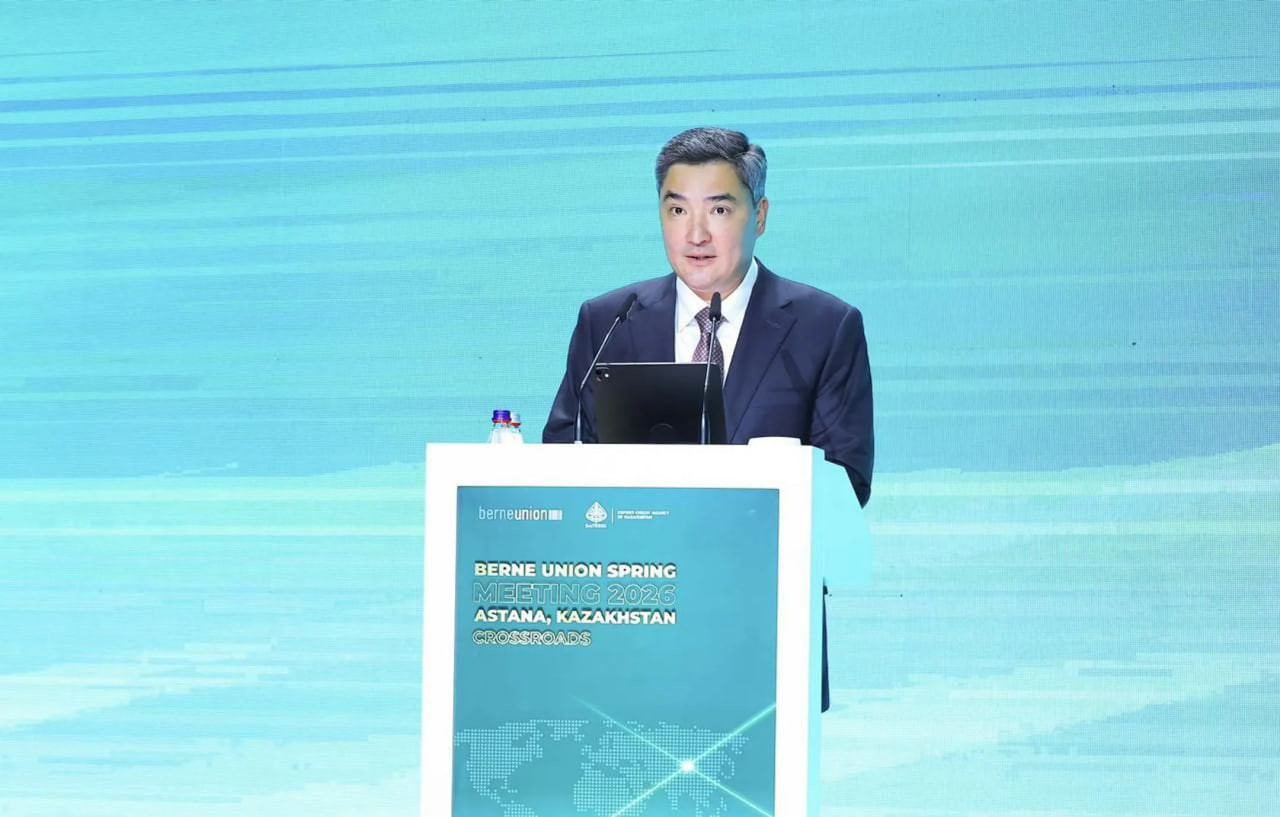
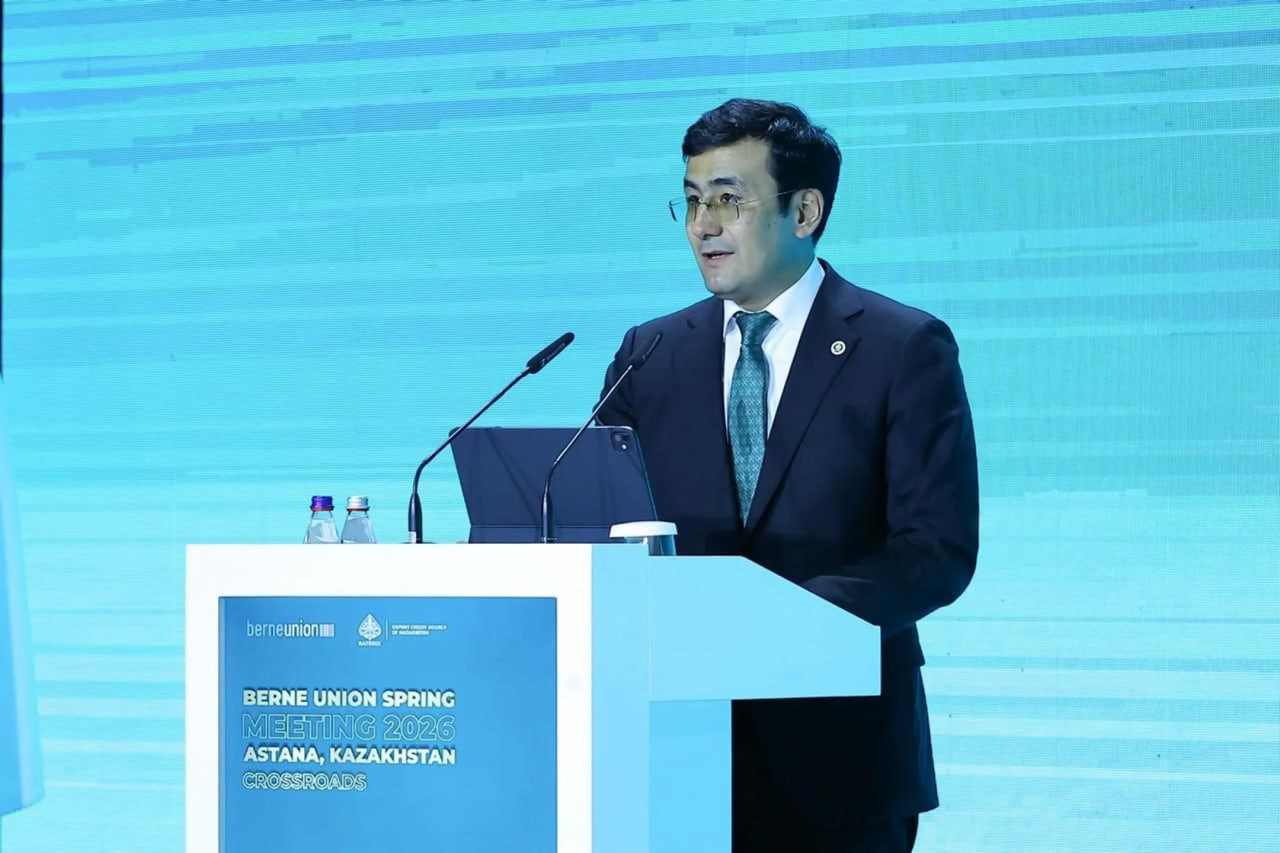
Opening the plenary session, Kazakhstan’s Prime Minister Olzhas Bektenov stated that the country continues its course toward economic liberalization and the creation of a more open investment environment. According to him, the reforms initiated by the President are already reflected in key macroeconomic indicators. Last year, Kazakhstan’s foreign trade turnover increased by 1.3% to reach USD 144 billion. Foreign direct investment grew by 14.4%, totaling USD 20.5 billion, while investment in fixed capital reached a record USD 43.5 billion.
“The logical continuation of the course toward economic liberalization was the approval of the Trade Policy Concept through 2030. The document outlines key development priorities, among which increasing non-resource exports to USD 52 billion is a major objective,” he noted.
Kazakhstan continues to expand its network of international free trade agreements. Existing arrangements with Vietnam, Serbia, and Iran were supplemented last year by agreements with the UAE, Mongolia, and Indonesia. The government emphasizes that the Trans-Caspian International Transport Route is gaining special significance within the new trade architecture, with a large-scale regional infrastructure ecosystem now forming around it. Authorities are also placing special emphasis on the digital economy and artificial intelligence development.
“Alongside the development of transport potential, the government is paying special attention to digital transformation. The AI sector development strategy aims to increase IT service exports to USD 1.2 billion by 2026. An important institution in this regard is the Astana International Financial Centre, which offers unique conditions under English common law jurisdiction for the development of green and Islamic finance instruments,” the Prime Minister added.
Chairman of the Management Board of Baiterek National Managing Holding, Rustam Karagoyshin, stated that the development institution is transitioning to a proactive investment holding model focused on supporting major projects and expanding financing mechanisms.
“Together with the government, we have formed a pool of promising projects worth approximately USD 170 billion through 2032. In implementing this large-scale strategy, the role of Berne Union members in providing insurance and co-financing instruments becomes particularly significant,” he said.
Meanwhile, Chairman of the Export Credit Agency of Kazakhstan (ECA), Allen Chaizhunusov, described the hosting of the Berne Union spring meeting in Astana as a historic event.
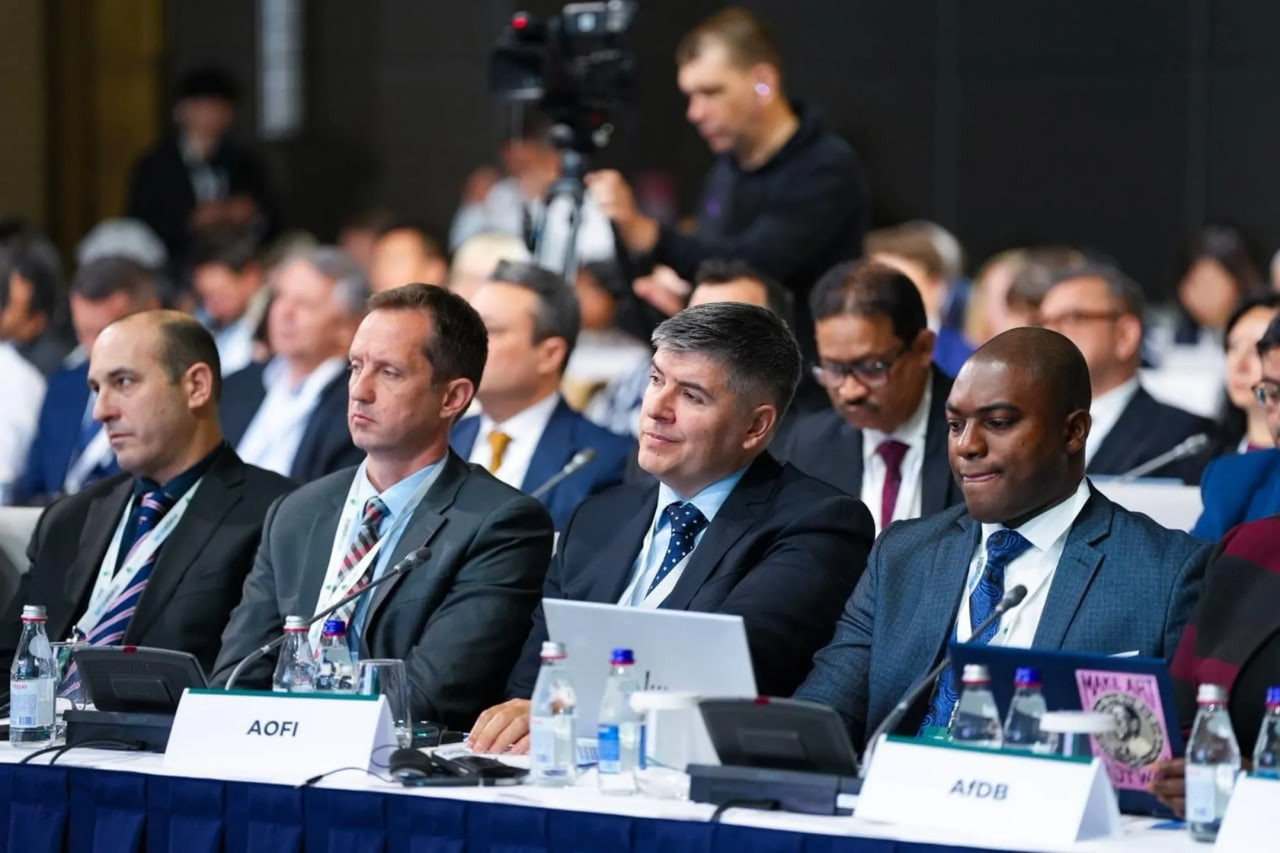
“This is the first forum of such scale ever held in our region, bringing together 193 delegates from 45 countries. Representatives of 84 major financial institutions arrived in Astana, including leaders such as Bpifrance, SACE, KSure, and SINOSURE. Overall, Union members annually provide insurance protection for trade transactions exceeding USD 3 trillion, covering around 13% of global trade,” he emphasized.
The ECA Chairman believes that Astana’s selection as the venue under the slogan “Crossroads” is a sign of high trust and recognition of Kazakhstan as a reliable player in the global market.
“Direct dialogue with heads of international insurance corporations and eximbanks allows us not only to present Kazakhstan’s investment opportunities, but also to strengthen the country’s reputation among OECD member states. From a practical perspective, for our Export Credit Agency this is an opportunity to implement the world’s best business support standards in Kazakhstan,” Allen Chaizhunusov concluded.
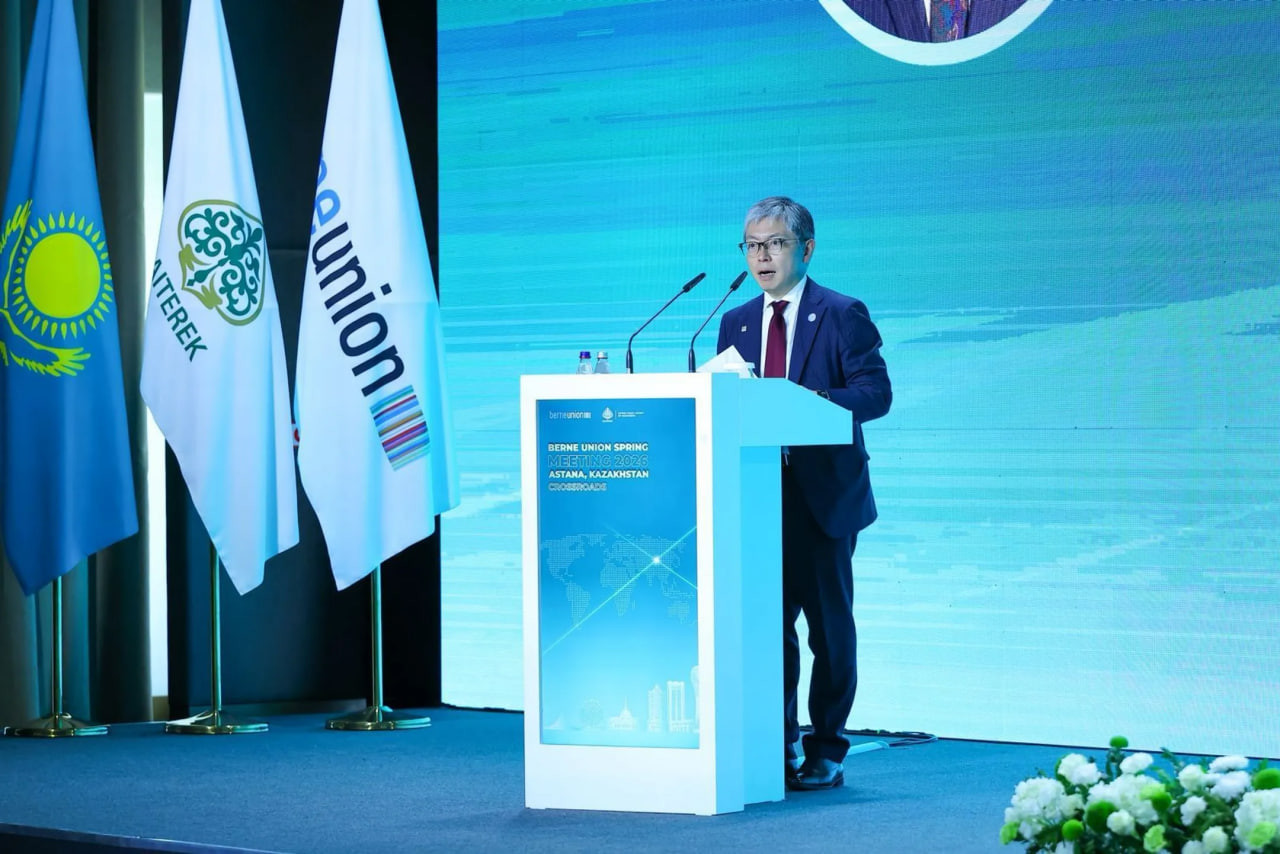
Special attention at the forum was drawn to the remarks of Berne Union President Yuichiro Akita, who answered journalists’ questions on the sidelines of the meeting. In his assessment, Kazakhstan is currently at a unique stage of development — the combination of geographic location, natural resources, and a growing economy makes the country especially attractive to global capital.
“I believe Kazakhstan has enormous potential: a growing economy, rich natural resources, and a very important geopolitical position. Therefore, many international investors are actively looking for attractive investment opportunities here. Right now is the perfect time to hold such an event to attract these investors,” he said.
Speaking about challenges facing investors in the coming years, Yuichiro Akita stressed that the key condition for success remains the ability of governments to build effective partnerships with the private sector.
“I believe there are many potential projects. However, in order to make these projects investment-attractive and financially viable, close cooperation between the state and the private sector is essential. Developing public-private partnerships and the necessary institutional framework is extremely important. This is what will help investors feel comfortable investing in a country in any region. These, in my view, are the main challenges,” he said.
The head of the Berne Union also elaborated on why Astana was chosen as the venue for the spring meeting. According to him, Kazakhstan has become the focus of the international investment community due to its geopolitical role and the growing importance of critical minerals and natural resources.
“First of all, your government, together with the Export Credit Agency of Kazakhstan and with the support of the Baiterek holding, recognized the right moment in a very timely manner. Now is truly the ideal time to hold such an event in Kazakhstan. As I mentioned, the geopolitical situation is highly complex, while critical minerals and natural resources are of enormous importance to the world today. Therefore, hosting this event in Astana is a very timely and appropriate decision for discussing such issues,” he noted.
According to Yuichiro Akita, the current forum is capable of significantly strengthening Kazakhstan’s investment position and providing new momentum for the development of the region as a whole.
“The members of the Berne Union are not only state agencies, but also private investors, insurance companies, and international financial organizations. All of them are necessary to make projects in Kazakhstan a reality. Bringing everyone together to discuss the challenges facing Central Asia and Kazakhstan is therefore extremely important. That is the purpose of this event. I sincerely believe this is very beneficial for Kazakhstan,” he emphasized.
The head of the Union is confident that Kazakhstan can eventually move far beyond the status of a transit territory and become a full-fledged export finance platform for the entire region.
“In order for projects in the country to be implemented, it is very important to partially reduce risks for investors. Our members help absorb these risks. The Export Credit Agency of Kazakhstan is a key partner for many of our members, helping make investments in Kazakhstan possible. Thanks to the Export Credit Agency of Kazakhstan and the Baiterek holding, project financing in Kazakhstan is becoming a reality. They are critically important investment partners for global investors,” he concluded.
According to the Berne Union, in 2025 the total volume of transactions supported by the organization’s members reached a record USD 3.7 trillion, becoming one of the key indicators of growing global demand for investment protection and export finance instruments.
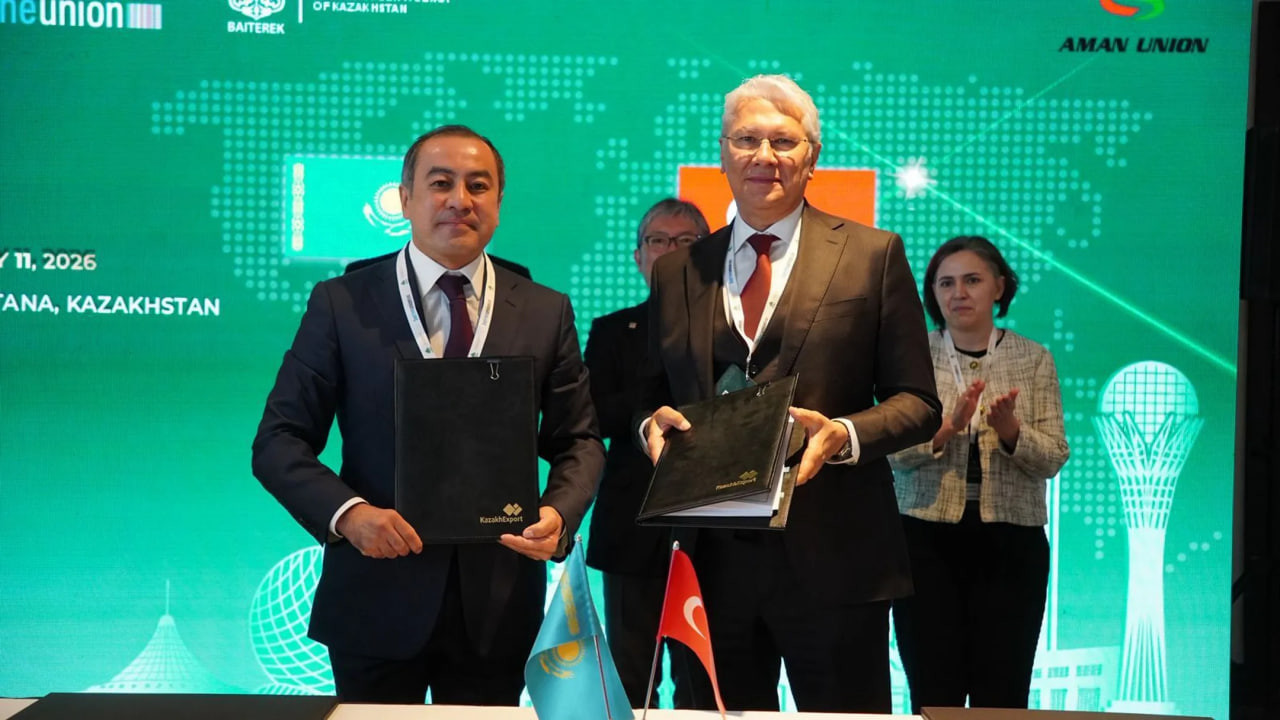
During the session, strategic agreements were signed between the Export Credit Agency of Kazakhstan and major international financial institutions — Türk Eximbank, Saudi EXIM Bank, BAEZ, and ASHRA. The signed documents are aimed at developing mechanisms for mutual reinsurance of export risks, co-financing investment projects, and promoting Kazakhstan’s non-resource exports in the markets of the Middle East and Europe.
The implementation of these agreements will strengthen support for domestic manufacturers and exporters, increase the resilience of foreign trade operations, expand Kazakh businesses’ access to international financial instruments, and reinforce Kazakhstan’s integration into the global financial and economic system.
At the same time, the Export Credit Agency of Kazakhstan is a candidate for membership in the Short-Term Insurance Committee, which is viewed as a transition to a qualitatively new level of international integration and recognition of the agency as a full-fledged participant in the global expert community.
The plenary session concluded with a series of bilateral B2B meetings. The forum will continue on May 13–14 with meetings of профильные committees and the Prague Club. Following the discussions, it was officially announced that the next meeting of the Union will be hosted by Tokyo.