Approaches to expanding the region’s export potential have been developed in Almaty
Kazakhstan is pursuing a strategic course aimed at expanding non-commodity exports and strengthening the position of domestic producers in foreign markets. As part of this policy, it is planned to increase exports of finished goods from Almaty and the Almaty Region by USD 1.5 billion by 2030.
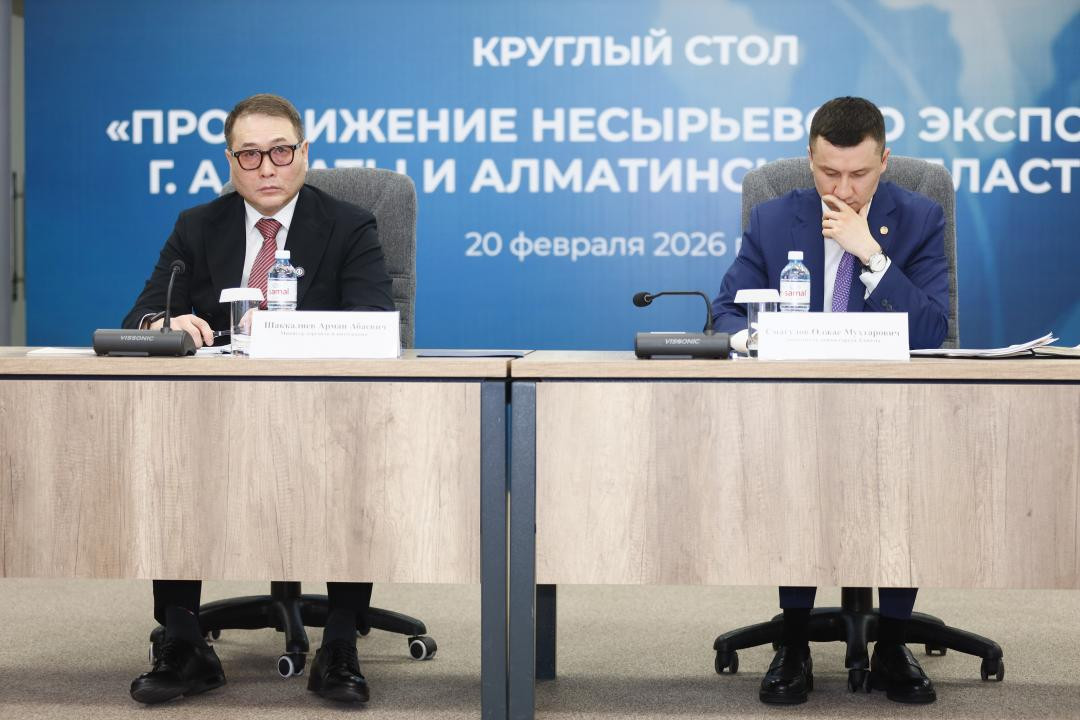
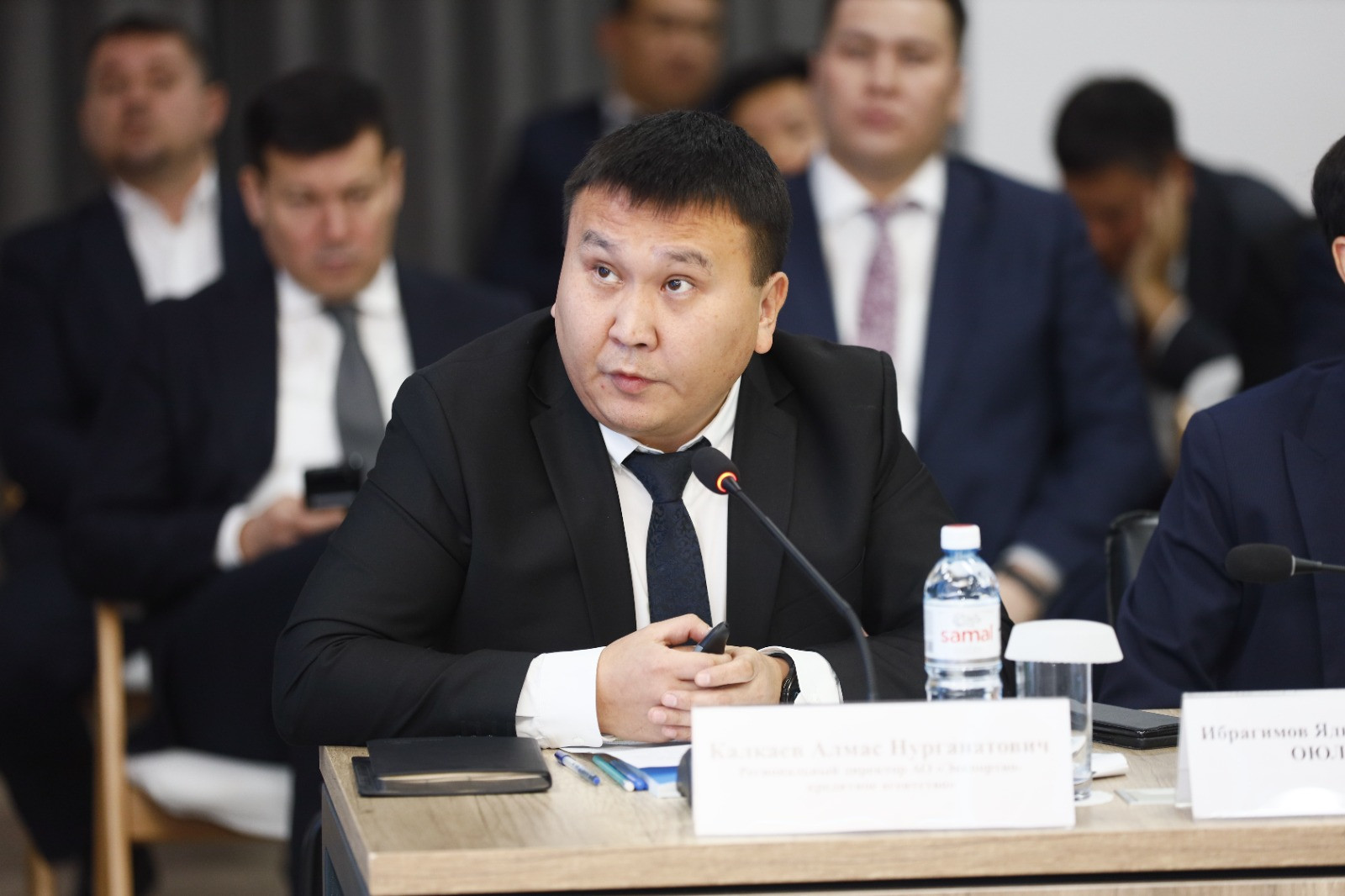
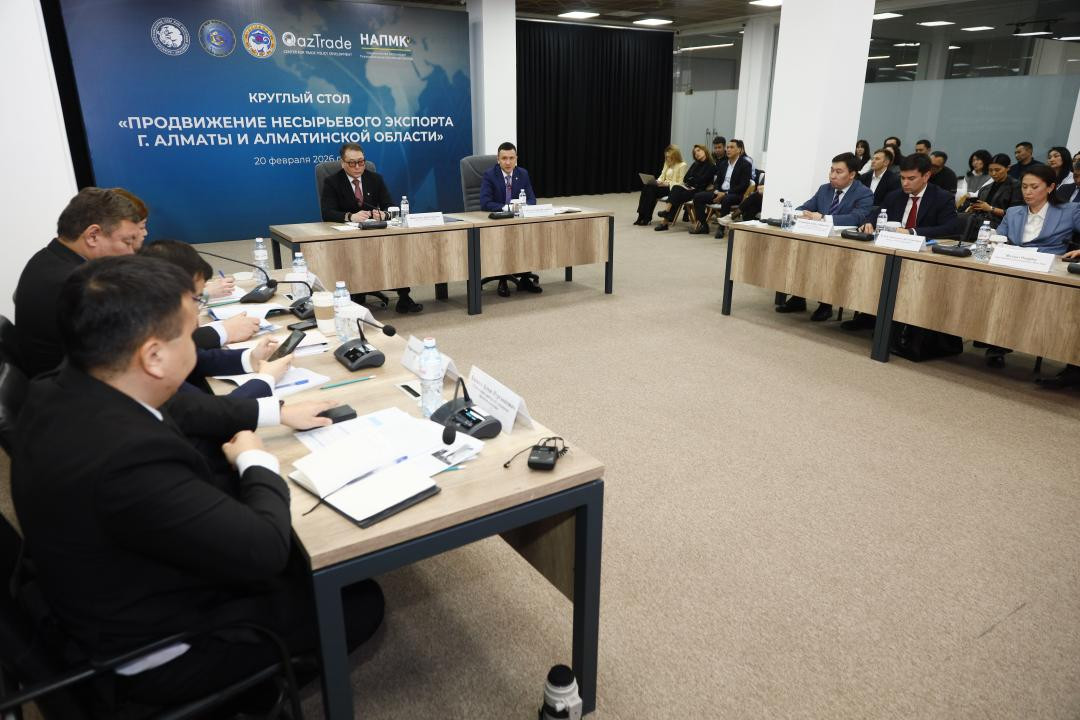
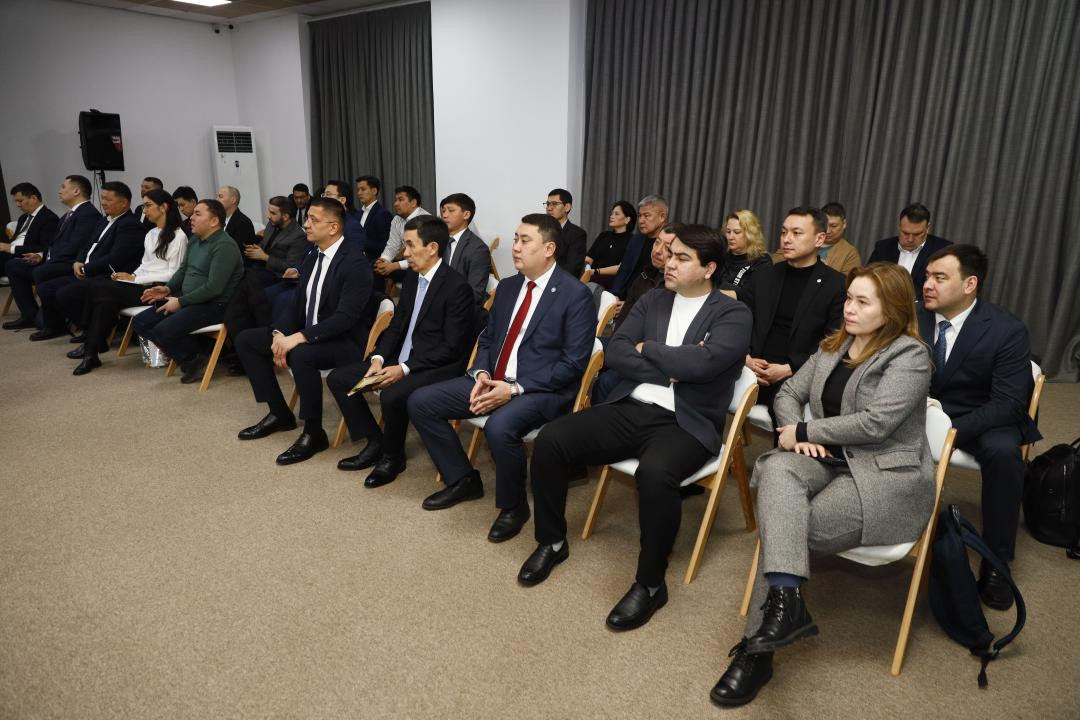
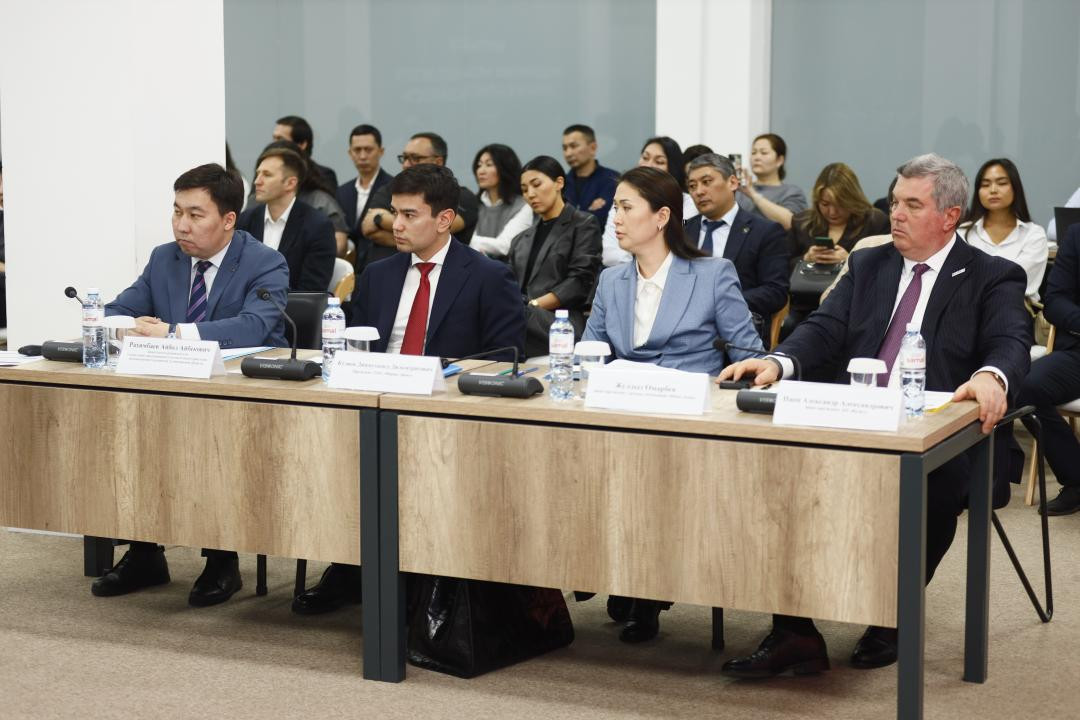
The structural transformation of the regional economy became the central topic of a roundtable discussion attended by the Minister of Trade and Integration of the Republic of Kazakhstan, Arman Shakkaliyev, Director of the Almaty Representative Office of the Export Credit Agency of Kazakhstan (ECA), Almas Kalkayev, as well as representatives of local executive bodies, the quasi-public sector, and the business community.
Today, the Almaty agglomeration accounts for more than 35% of the country’s small and medium-sized enterprises, serving as Kazakhstan’s largest financial, entrepreneurial, and logistics hub. By the end of 2025, the total support provided by the Export Credit Agency to enterprises in Almaty and the Almaty Region reached KZT 60 billion.
Notably, the export of finished goods has become a key growth driver. This reflects a consistent transition from a resource-based model to an industrial and agro-industrial economic structure, as well as the formation of a unified economic ecosystem within the agglomeration. The steady expansion of supplies to China, Central Asian countries, Europe, and CIS states confirms strong demand for regional products and creates conditions for scaling Kazakhstani brands in international markets.
The food industry, chemical sector, and mechanical engineering are developing most dynamically. Significant potential also remains in pharmaceuticals, construction materials production, and the IT sector. The development of deep processing and industrial cooperation in these areas is expected to generate a multiplier effect for the regional economy, employment growth, and expansion of the tax base.
The strategic objective is to transform Almaty and the Almaty Region into a leading non-commodity export hub in Central Asia. To achieve this, the approach will shift from targeted support for individual enterprises to the formation of sustainable export clusters, expansion of trade missions and digital B2B platforms, launch of export promotion programs for services, and creation of modern pre-export infrastructure, including certification laboratories and e-commerce hubs.
Financial support instruments are expected to play a significant role in implementing the new export model. The Export Credit Agency of Kazakhstan is exploring the establishment of an export financial pool in Almaty, which will provide small and medium-sized enterprises with access to concessional lending, insurance, and logistics subsidies. This will enable companies to move from one-off deliveries to stable long-term export contracts.
During the roundtable, Almas Kalkayev, Director of the Almaty branch of ECA, highlighted the agency’s digital transformation. All operational processes have now been transitioned to a digital format, ensuring transparency and allowing exporters to track the status of applications in real time. Particular attention was given to the launch of the “Kazakhstan Exporters Showcase” platform — a digital marketplace consolidating information on domestic products and enabling direct interaction between foreign partners and manufacturers. The integration of ECA’s digital services and analytical tools is expected to significantly simplify business procedures and increase the country’s non-commodity export volumes.
Overall, the measures being implemented are aimed at achieving a strategic benchmark. According to the Ministry of Trade and Integration of the Republic of Kazakhstan, by 2030 exports from Almaty and the Almaty Region are expected to increase by USD 1.5 billion, forming a new model of sustainable economic growth based on processing, technological advancement, and the global competitiveness of Kazakhstani products.