Berne Union in Astana: how Kazakhstan is strengthening its role in global trade
Crossroads of Interests
Astana has confidently made its mark on the global stage in the field of export and investment support. From May 11 to 14, the capital of Kazakhstan hosted the Spring Meeting of the Berne Union — the world’s largest international organization that insures around 13% of global trade. For the first time in nearly 90 years of the organization’s history, the meeting was held in Central Asia, with the Export Credit Agency of Kazakhstan JSC (ECA) acting as the host.
The Berne Union is a key international association of export credit and investment insurers that sets global trade standards. According to the results of 2025 alone, the total insurance exposure of the Union’s members amounted to approximately $3.7 trillion.
Delegates from more than 70 countries arrived in Astana — heads of leading export credit agencies, EXIM banks, international financial institutions, and global insurance corporations. The central theme of the Spring Meeting was “Crossroads” — the intersection of trade routes, interests, development directions, and strategic priorities.
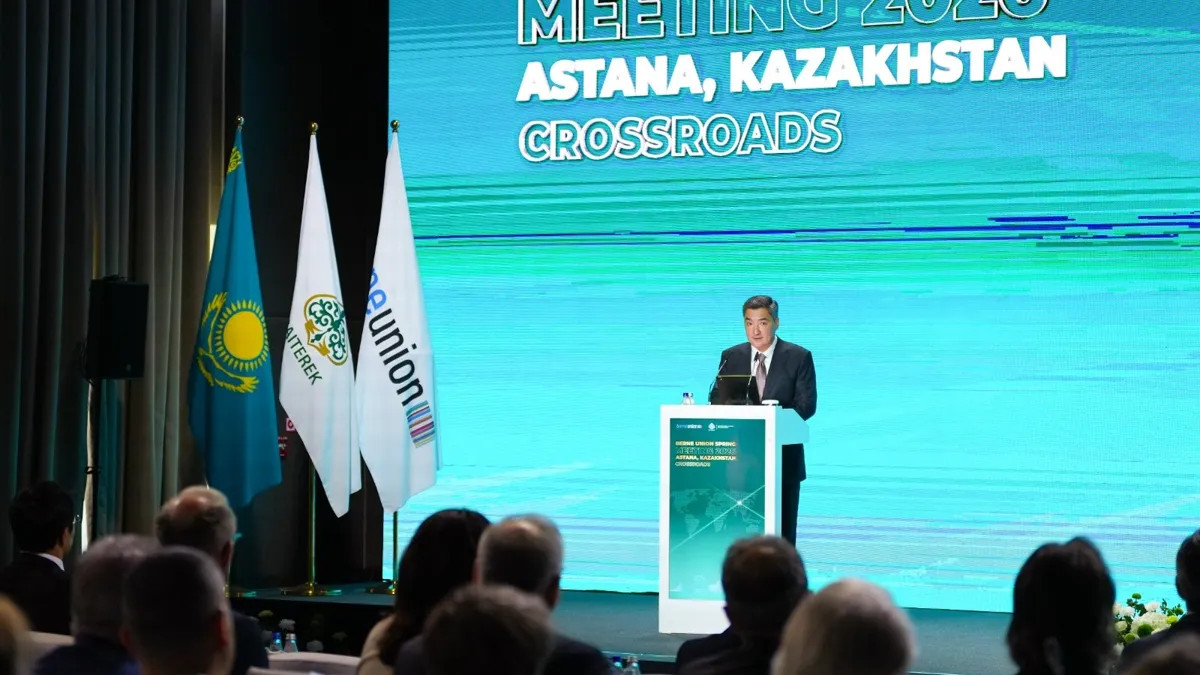
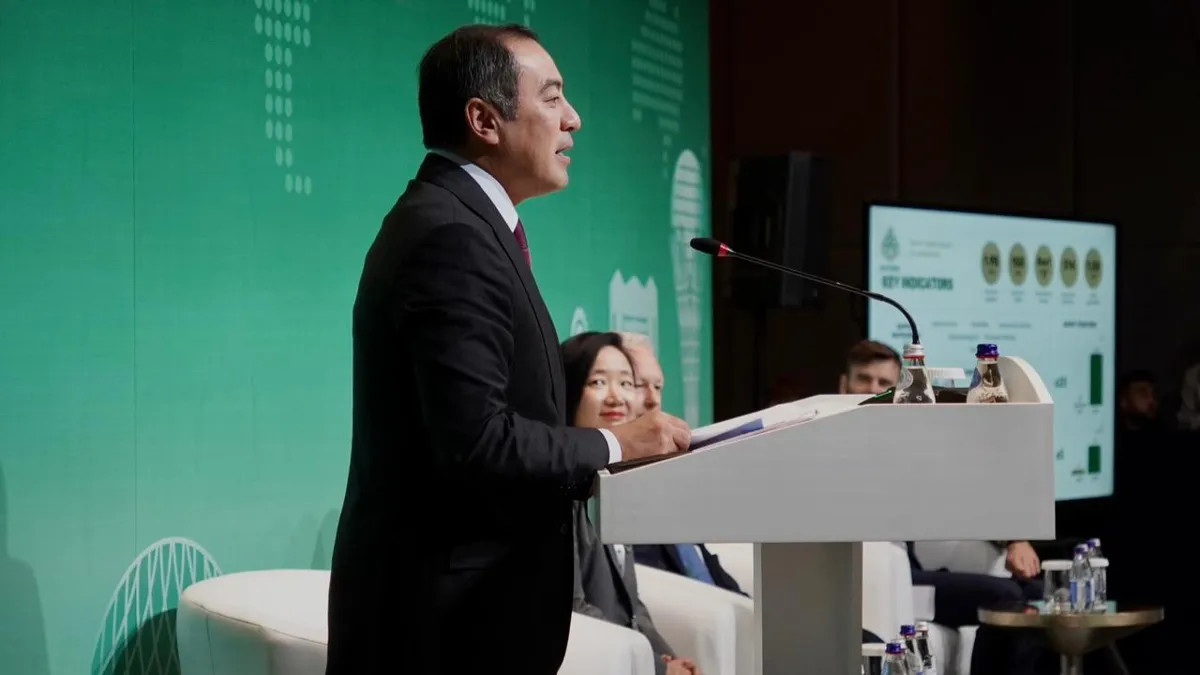
The meeting was opened by the Prime Minister of Kazakhstan, Olzhas Bektenov.
“As the largest economy in the Central Asian region, Kazakhstan continues its structural transformation. Foreign direct investment increased by 14.4% to $20.5 billion, while investment in fixed capital grew by 13%, reaching a historic high of $43.5 billion. In 2025, Kazakhstan’s foreign trade turnover reached $144 billion. The geography and range of Kazakh exports continue to expand,” Olzhas Bektenov emphasized.
He also noted that Kazakh goods are currently exported to 127 countries, and the number of active commodity positions has reached nearly 4,000. Inviting delegates to active cooperation, the Prime Minister highlighted that effective mechanisms for cross-border transaction insurance are available through the ECA of Kazakhstan, while financing for strategic international investment projects in Kazakhstan is provided through the Baiterek holding.
“We are consolidating financing, insurance, and guarantee instruments into a unified support system, resulting in job creation, increased tax revenues, and an inflow of high-quality investments. At present, Baiterek is transitioning to a proactive investment holding model,” said Rustam Karagoyshin, Chairman of the Management Board of Baiterek National Managing Holding.
According to him, together with the government, the holding has formed a portfolio of promising projects worth approximately $170 billion through 2032, and in this context, the role of Berne Union members in providing insurance and co-financing instruments is becoming particularly significant.
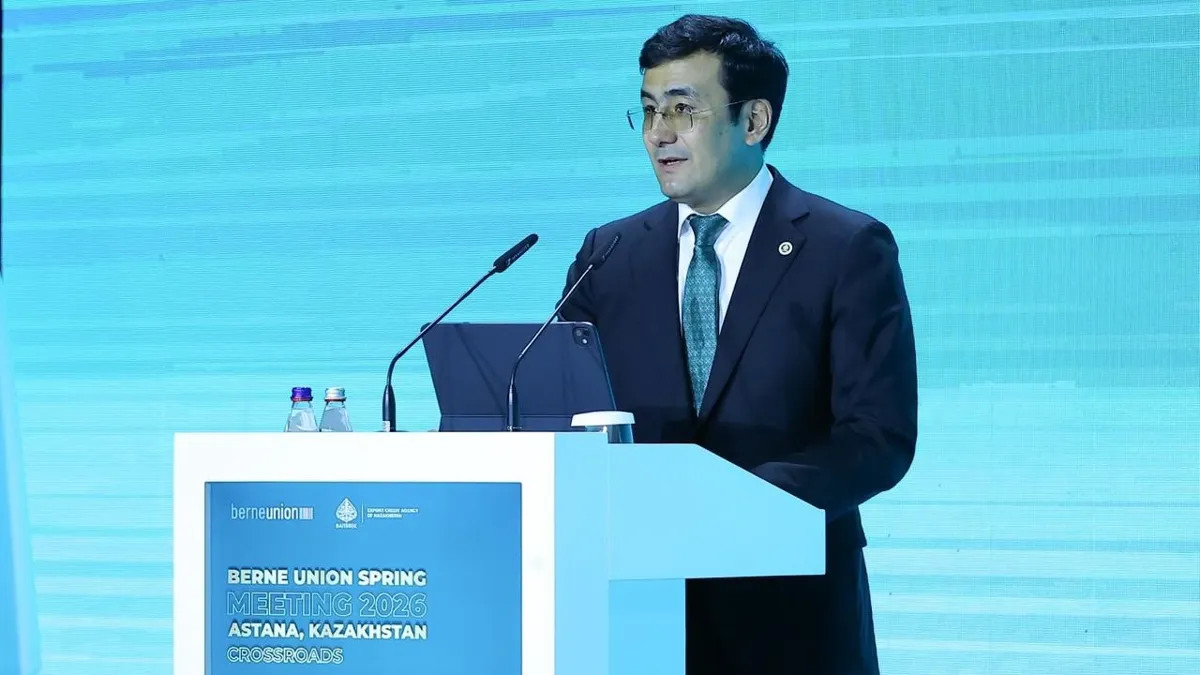
Berne Union President Yuichiro Akita, in turn, drew attention to the relevance of the meeting’s theme.
“As an industry, we are at a crossroads today. The role of export credit agencies is changing — we are becoming strategic players, not just insurance instruments,” said the President of the Berne Union.
Yuichiro Akita also noted changes in the structure of global financing. In 2025, medium- and long-term commitments amounted to approximately $130 billion for developed economies and $110 billion for developing economies.
At the meeting, views on the development of export insurance and investment support markets were also presented by Renat Bekturov, Managing Director of the Astana International Financial Centre (AIFC), Asset Makhambetov, Deputy Chairman of the Atomic Energy Agency, as well as representatives of major international export credit agencies.
Advanced Practices
The Export Credit Agency of Kazakhstan has been an active member of the Berne Union’s Prague Club since 2004. ECA Chairman Allen Chaizhunusov noted that hosting the Spring Session of the Berne Union in Astana is a direct confirmation of Kazakhstan’s status as a key regional financial hub and a reliable partner in the international trade system.
“Direct dialogue with leading OECD export credit agencies allows us not only to effectively mitigate risks for domestic exporters entering new markets, but also to strengthen trust within the international investment community. Today’s meeting in Astana symbolizes the consolidation of efforts to ensure the stability of global trade flows and the formation of new standards of economic security,” said Allen Chaizhunusov.
The Export Credit Agency of Kazakhstan JSC is a key national institution for the development and promotion of non-resource exports. It is also the first classical ECA in Central Asia, providing exporters and financial institutions with a wide range of insurance and financial support instruments at all stages of the export cycle. In 2025, the volume of exporter support exceeded 650 billion tenge, significantly higher than in previous years.
According to ECA, the agency annually supports more than 130 export-oriented enterprises. The economic impact of this support over the past three years amounted to 7.3 trillion tenge, including 2.3 trillion tenge in 2025 (export revenue — 803.1 billion tenge, production output — 1,425.4 billion tenge, taxes paid — 106.4 billion tenge).
Expansion of Cooperation
Participants of the meeting noted the importance of Kazakhstan and the entire Central Asian region as a new strategic hub of global trade and logistics.
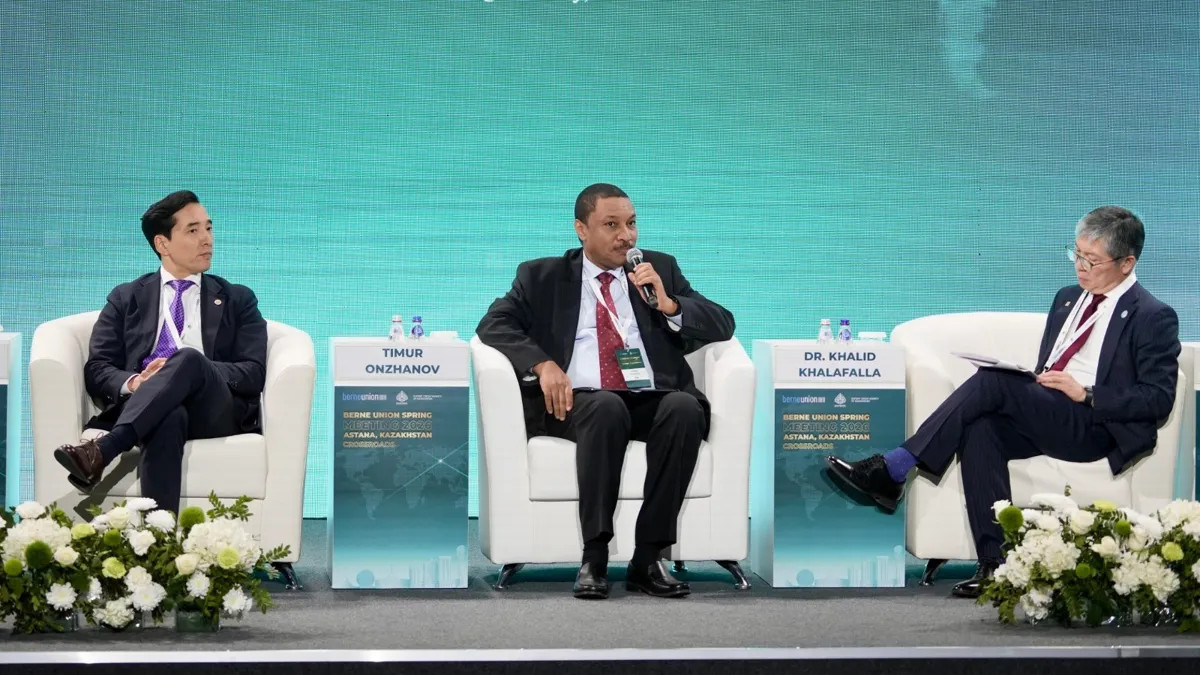
Halim Khalafalla, Director General of the Islamic Corporation for the Insurance of Investment and Export Credit (ICIEC), emphasized the importance of partnership with Kazakhstan.
“In recent years, we have been working closely with the ECA of Kazakhstan in the area of reinsurance, supporting projects both in Kazakhstan and in ICIEC member countries. Since Kazakhstan joined our organization, we have insured operations worth nearly $12 billion,” said Halim Khalafalla.
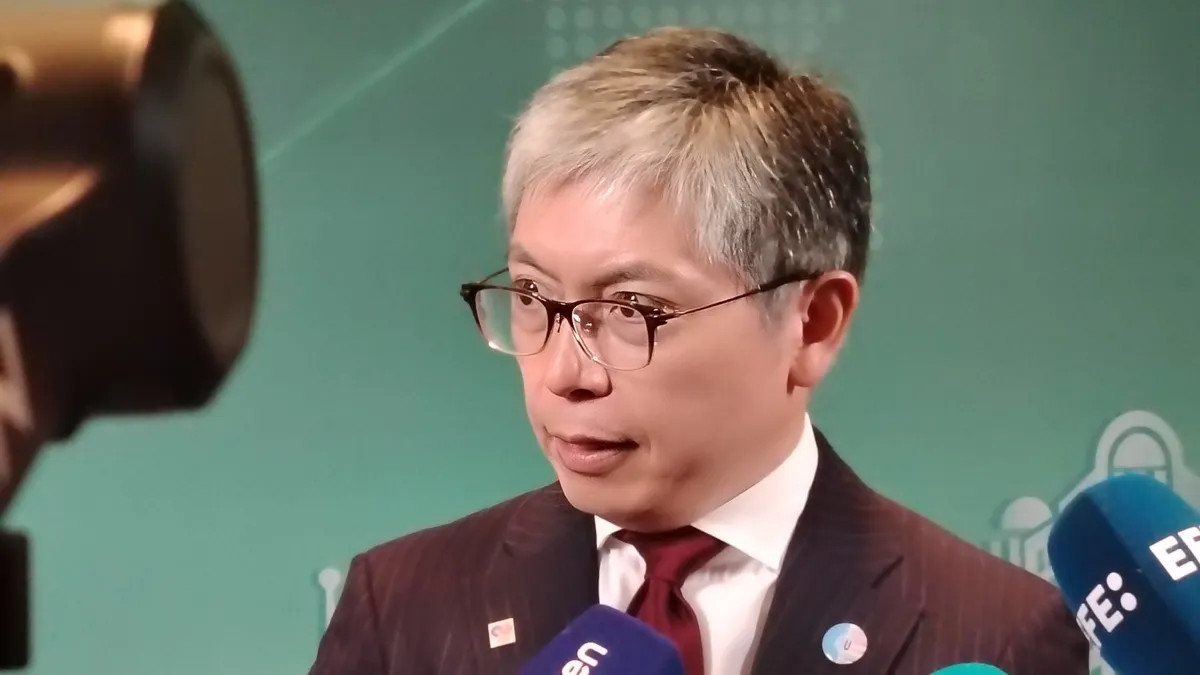
Meanwhile, Silvia Gavornikova, Head of Export Credits and Competition at the OECD, told journalists that interest in Kazakhstan as a promising market is growing among OECD member countries.
“We are very pleased that the OECD has always been a platform where all international negotiations are discussed, and I must say that Kazakhstan has always been very active in all discussions, especially on issues of good governance, mainly environmental and social due diligence, anti-corruption measures, and sustainable lending practices. I see growing interest from our members in participating in Kazakhstan from a buyer perspective, and this is why it is extremely important for Kazakhstan to comply with international rules,” she noted.
The four-day Spring Session of the Berne Union in Astana (May 11–14) demonstrated Kazakhstan’s deep integration into the global trade architecture. The main outcome of the forum was the inclusion of the Export Credit Agency of Kazakhstan in the Short-Term Insurance Committee. This is the highest recognition within the Union’s structure, granting the country access to the management of a key segment: in 2025 alone, this committee accounted for around 90% of the global growth in trade support.
A practical outcome of the forum was the strengthening of partnership ties and new agreements to expand the reinsurance portfolio. The Export Credit Agency of Kazakhstan signed a package of strategic agreements with leading development institutions — Türk Eximbank, Saudi EXIM Bank, BAEZ, and ASHRA, while the Development Bank of Kazakhstan strengthened its Asian direction by signing a memorandum with the Korea Trade Insurance Corporation (K-SURE).
The global discussion of the Berne Union is moving eastward: the next session of the organization has been officially entrusted to Tokyo, Japan.