Astana entrepreneurs learn how to access state support and enter foreign markets
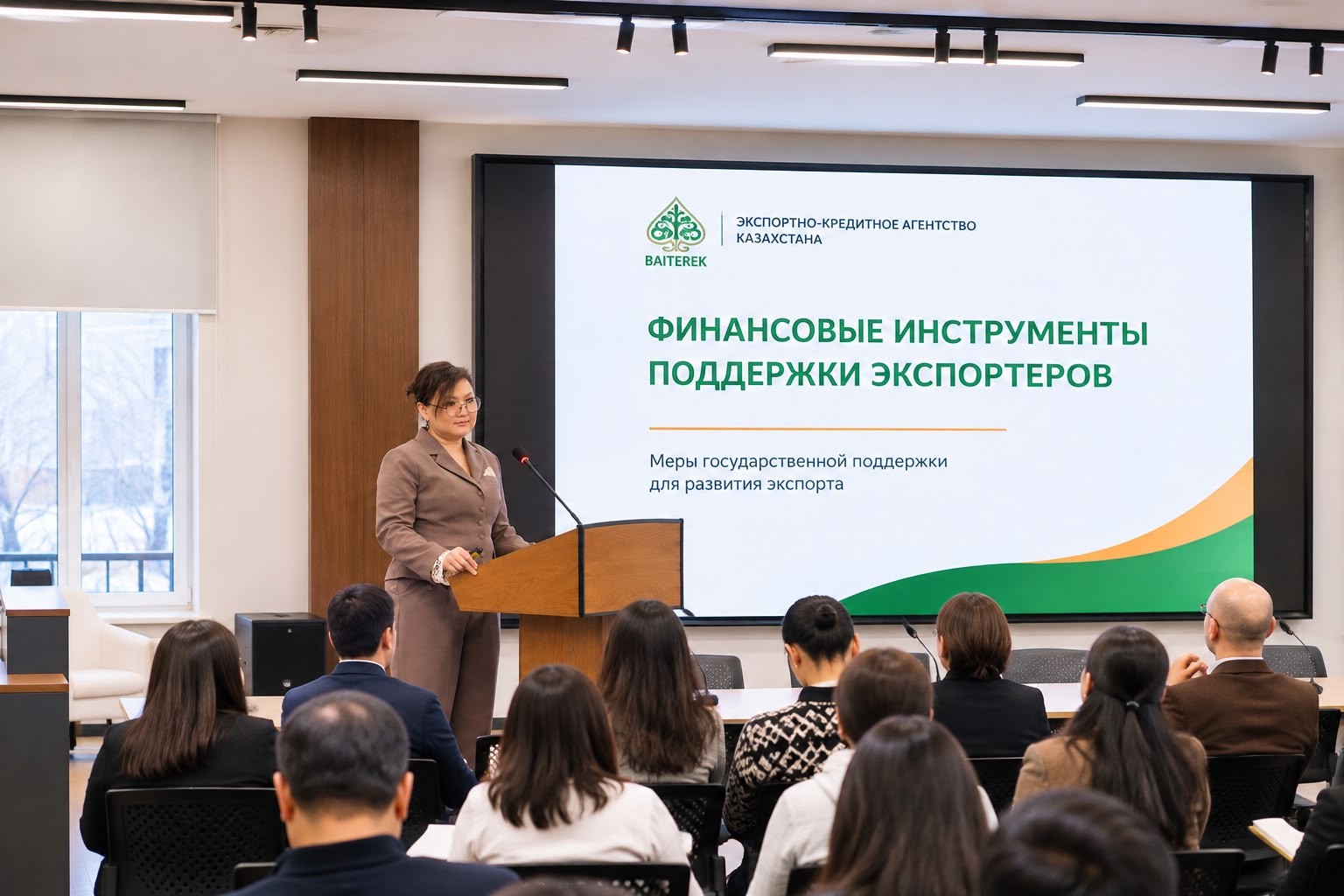
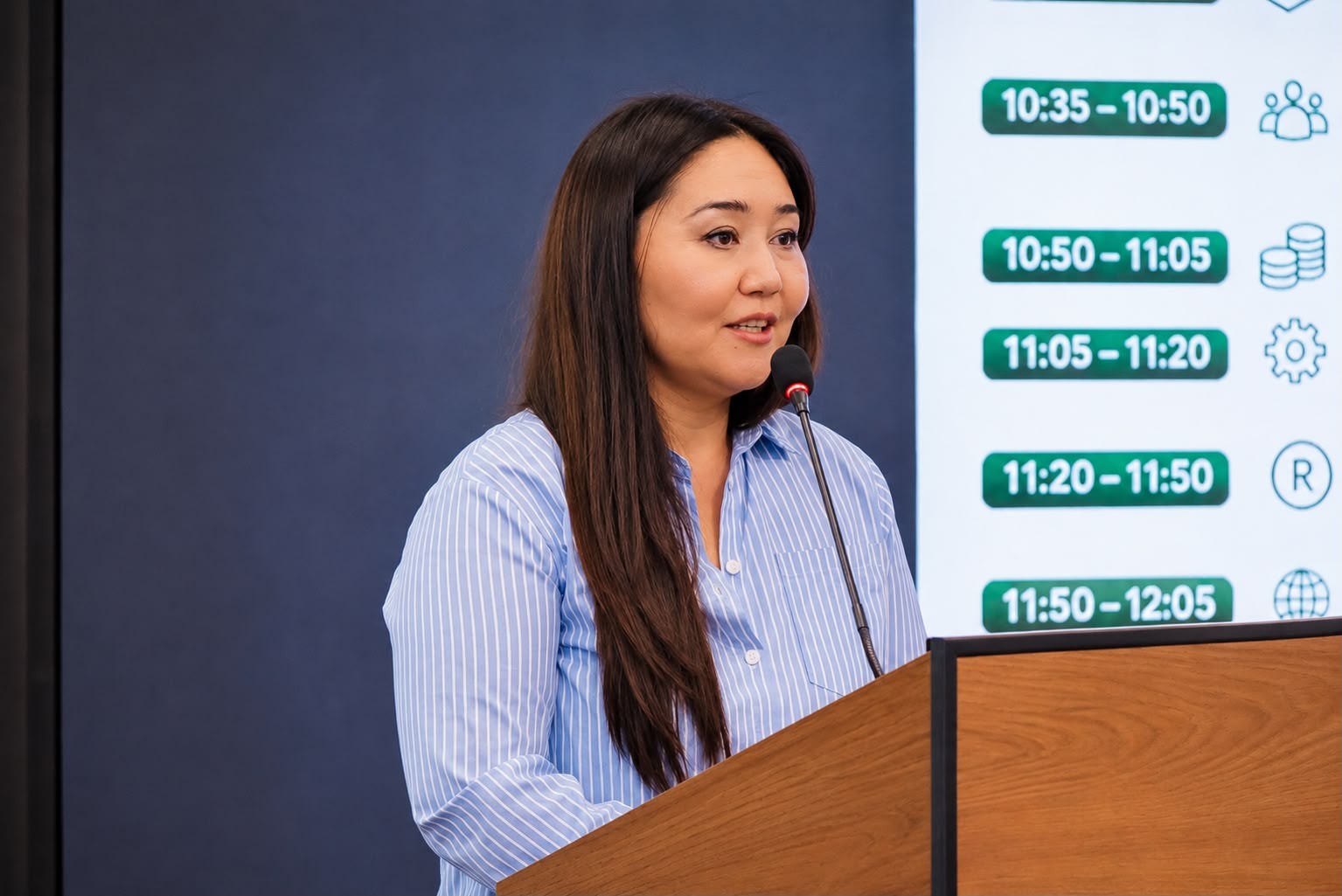
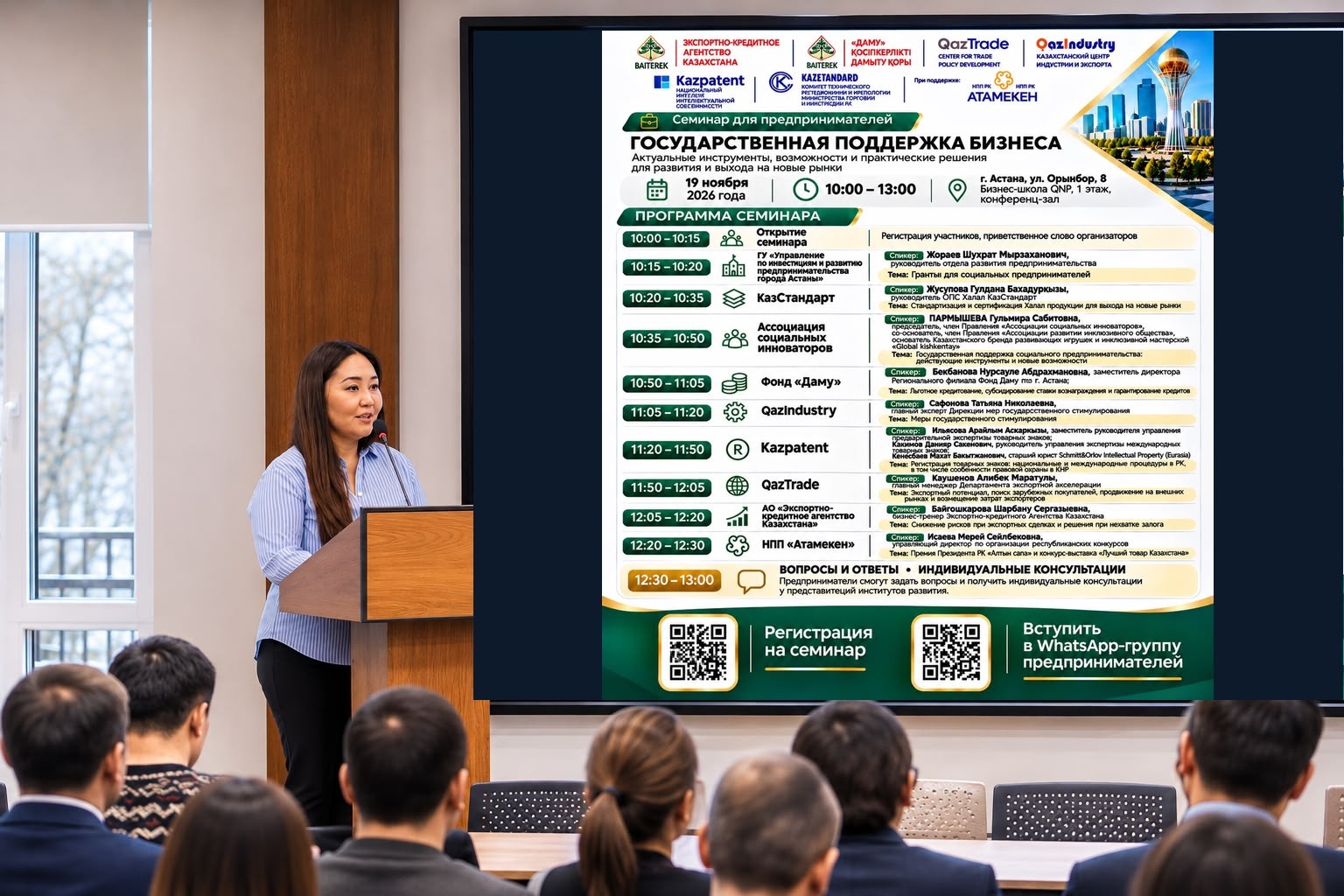
Concessional financing, interest rate subsidies, loan guarantees, export risk insurance, and the promotion of Kazakhstani products abroad were the key topics of a seminar for entrepreneurs, organized by the Export Credit Agency of Kazakhstan in collaboration with the "Atameken" National Chamber of Entrepreneurs.
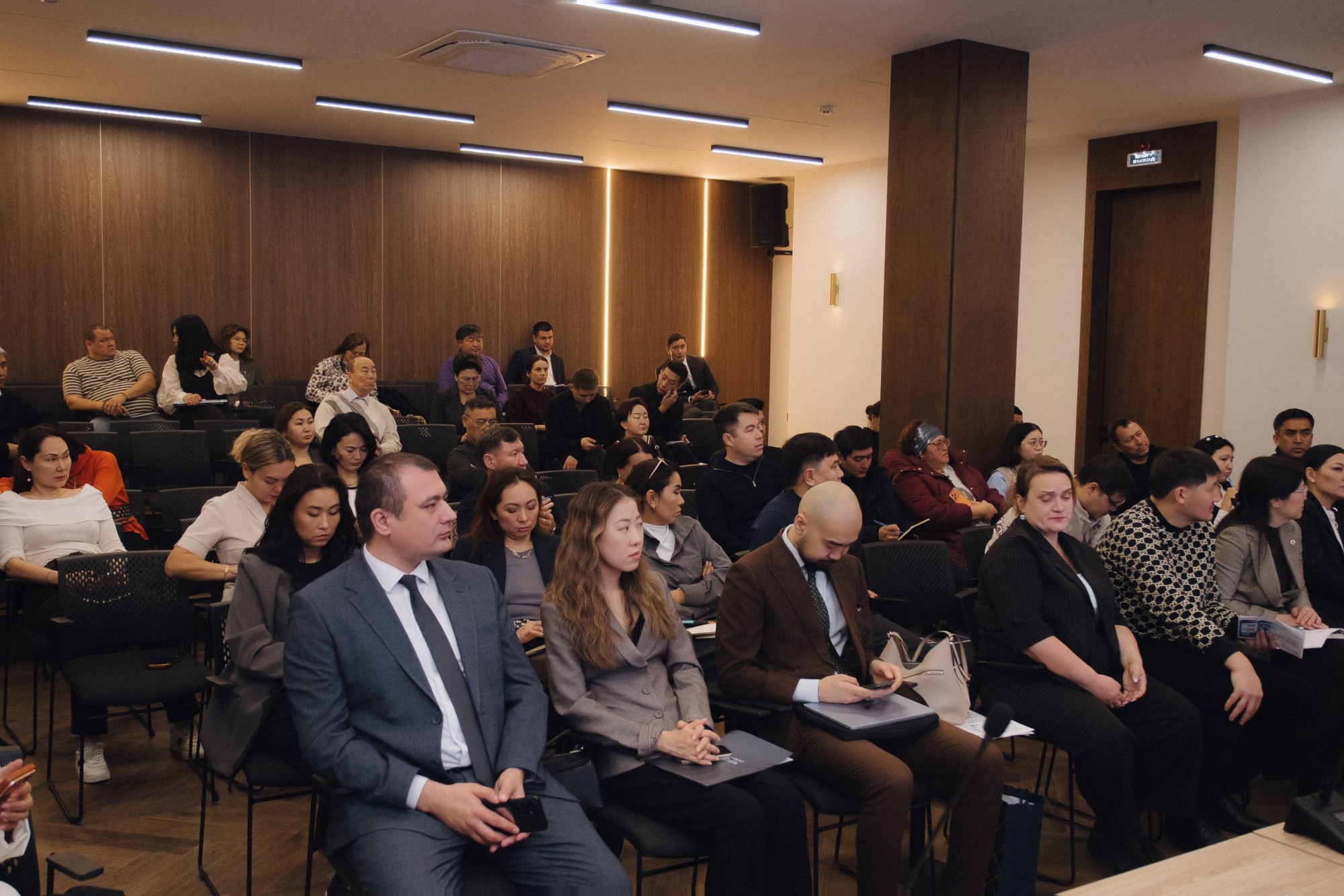
The meeting took place at the QNP Business School and brought together representatives from the business community, government bodies, and development institutions. Participants included the Export Credit Agency (ECA), the "Atameken" National Chamber of Entrepreneurs, the Damu Fund, QazIndustry, QazTrade, Kazpatent, the "KazStandard" Republican State Enterprise, the Astana City Department for Investment and Entrepreneurship Development, and the Association of Social Innovators.
The primary objective of the event was to clarify existing state support mechanisms, the requirements for applicants, and the application procedures. Special attention was given to how these measures can be utilized to expand production, secure financing, and enter international markets.
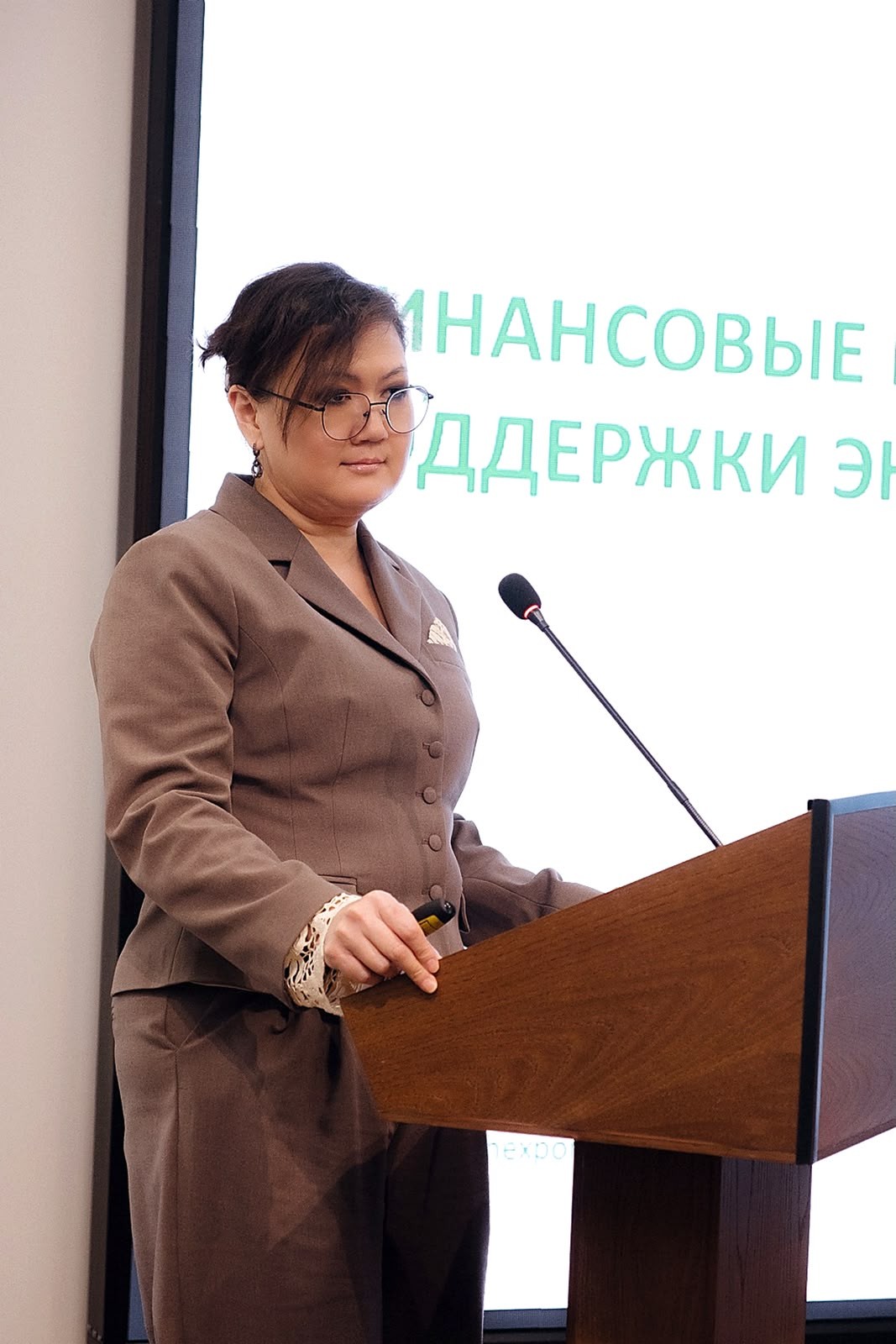
Development institutions presented programs for concessional lending, interest rate subsidies, and loan guarantees, as well as solutions for export financing and the insurance of transactions with foreign counterparties. Other areas covered included stimulating domestic production, industrial development, promoting Kazakhstani goods abroad, registering and protecting intellectual property, and supporting social entrepreneurship.
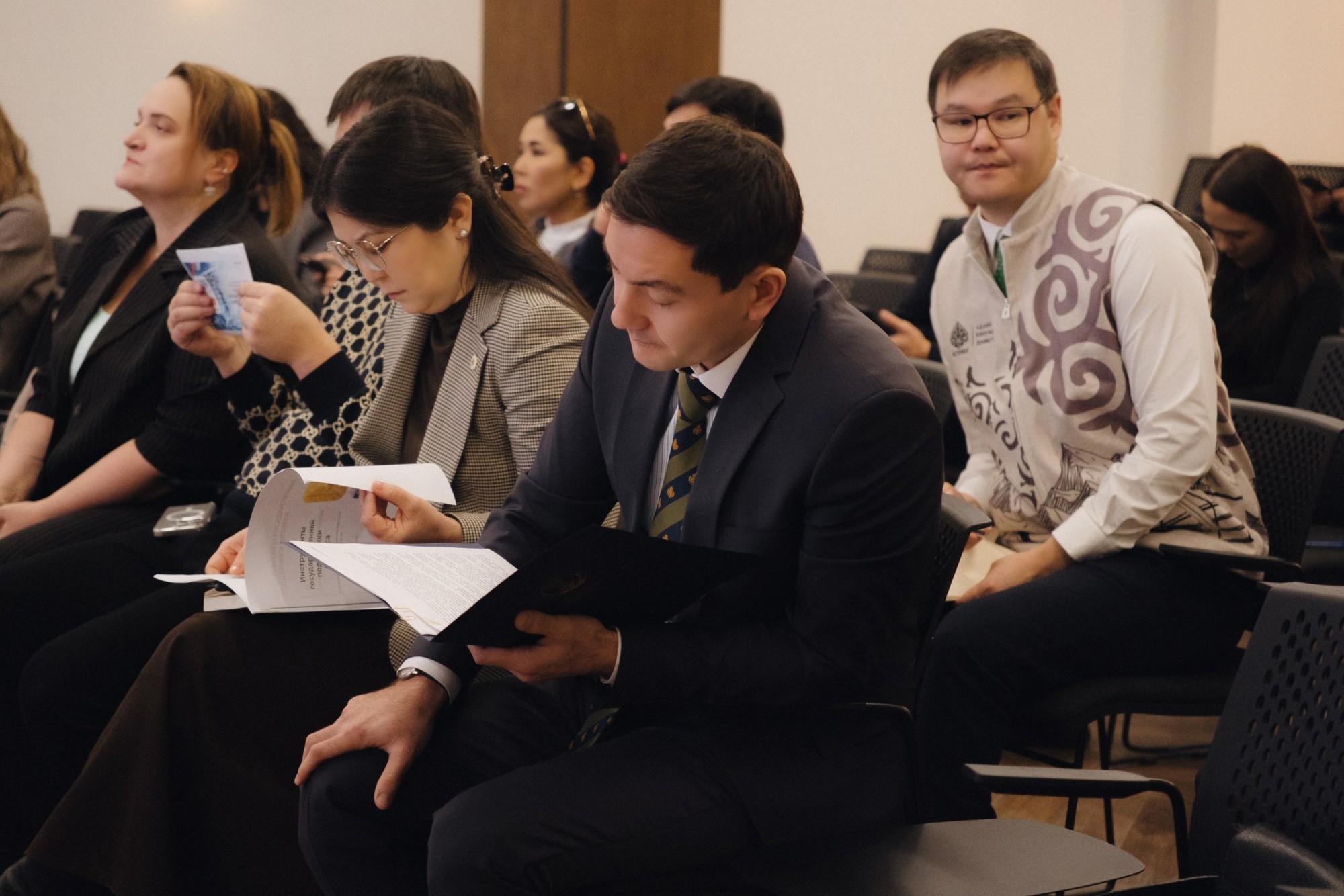
The practical segment of the meeting focused on the criteria for accessing these support mechanisms. During consultations, entrepreneurs received clarification regarding borrower requirements, necessary collateral, the procedures for obtaining subsidies and guarantees, and the timelines for application reviews.
A separate session was dedicated to export-related activities. In particular, discussions covered finding foreign buyers, promoting domestic products abroad, and insuring export transactions against the risk of non-payment by foreign counterparties.
Entrepreneurs also inquired about registering trademarks in Kazakhstan and abroad, the costs involved in these procedures, and the specifics of legal brand protection in various markets, including China. Furthermore, the session addressed mechanisms for reimbursing export-related expenses, state incentives for producers, and support programs for social entrepreneurship.
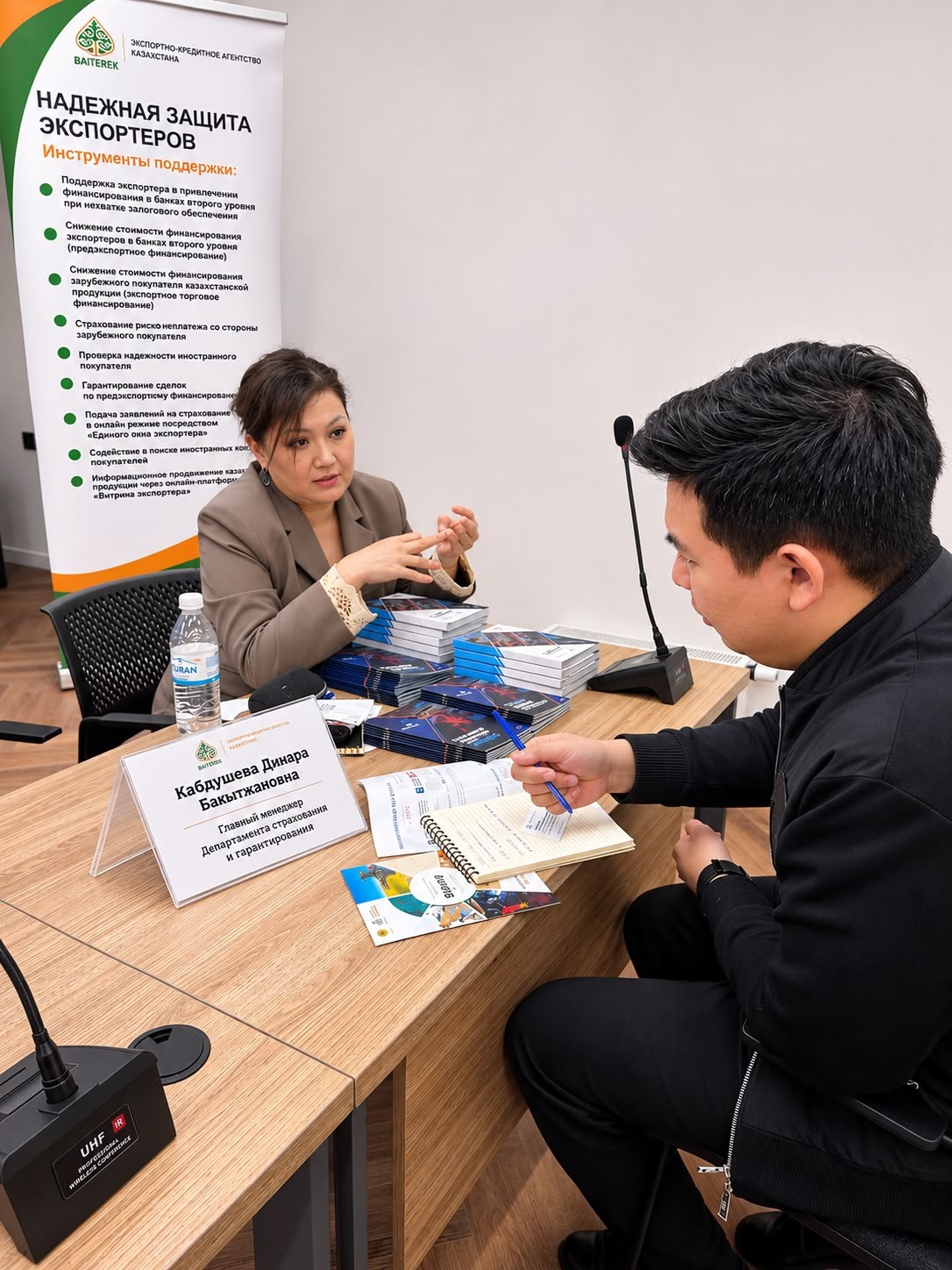
The seminar concluded with individual consultations with representatives from relevant organizations, allowing participants to discuss how specific state support tools could be applied to the unique needs of their own enterprises.
This format brings together organizations responsible for various areas of business support, making it easier for entrepreneurs to access specialized information. It offers companies the chance to identify which mechanisms are best suited to their current stage of development—ranging from production financing to organizing export shipments and managing risks when dealing with foreign buyers.
The Export Credit Agency of Kazakhstan intends to continue informing entrepreneurs about financing and insurance options for export operations, while also collaborating with development institutions to expand access to state support measures for Kazakhstani companies.